
Skip to content

Colorectal Cancer Screening and Treatment in Singapore

Insurance

Our surgery is on the panel of most of the major insurance companies and if you are covered by corporate insurance, you may be entitled to a cashless visit to our clinic.

Get In Touch

Table of Contents

If you’re experiencing persistent bowel symptoms, it may be time to have them checked. Blood in the stool, changes in your usual bowel routine, or losing weight without trying can be signs of a serious, underlying condition.

Advanced Colorectal and General Surgery is equipped for the diagnosis and treatment of colorectal cancer in Singapore. Get the care you need without delay.

What Is Colorectal Cancer

Learn about colorectal cancer treatment options in Singapore.

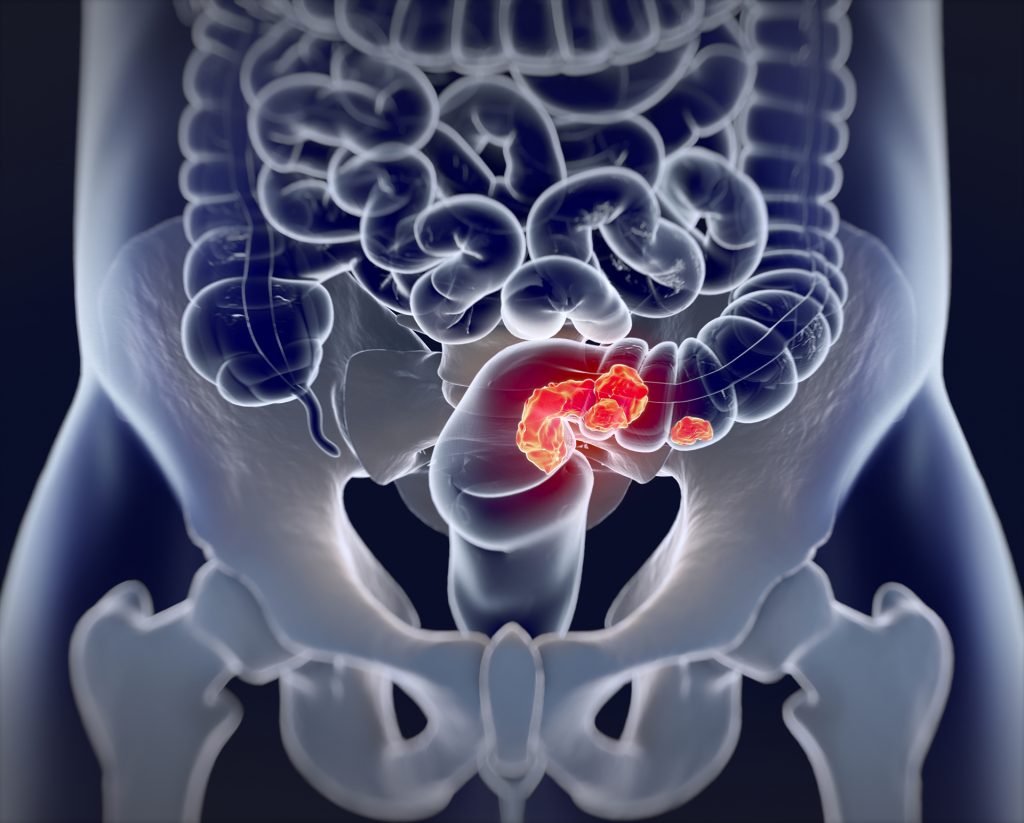
Colorectal cancer refers to cancer that begins in the colon or rectum, which together form the large intestine. The colon processes waste and absorbs water, while the rectum stores stool before it is passed out of the body.

Colorectal cancer is different from colon cancer and rectal cancer. Colon cancer refers specifically to cancer that develops in the colon. While rectal cancer develops in the rectum, the final section of the large intestine before the anus.

The term colorectal cancer is often used as an umbrella term because it shares similarities with colon and rectal cancer, although some treatment approaches may differ depending on where the cancer occurs.

How Colorectal Cancer Develops

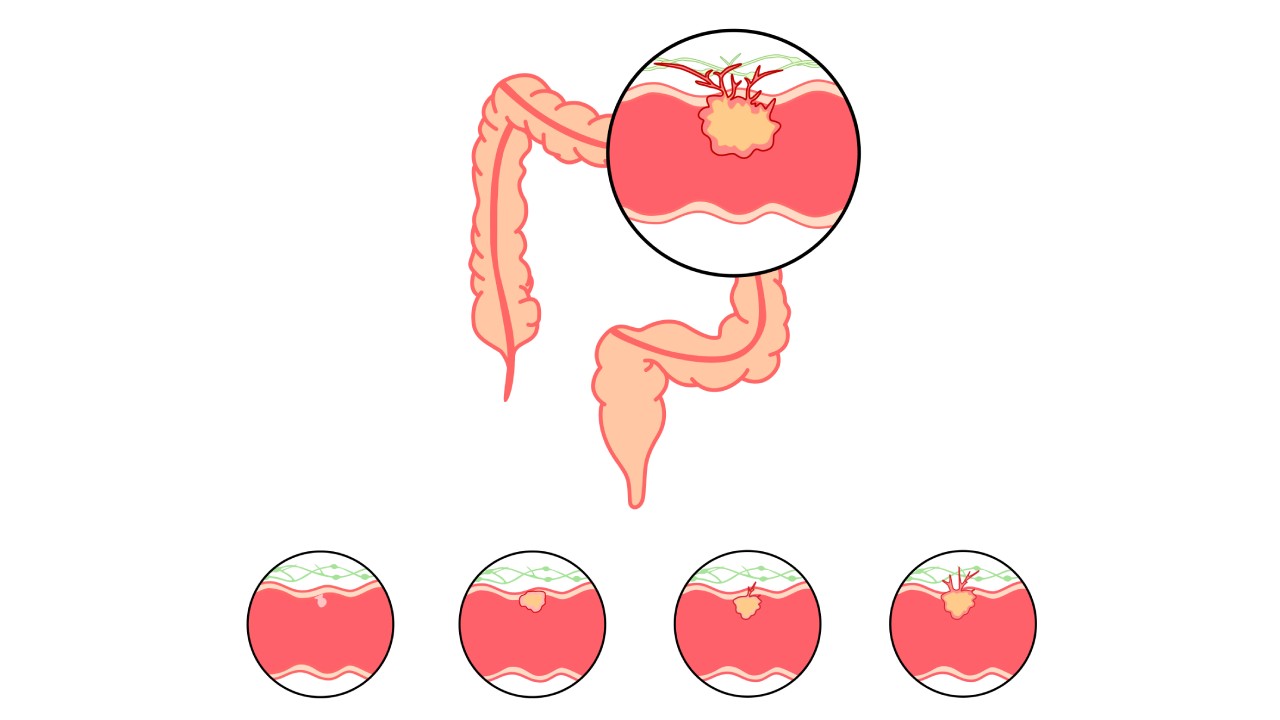
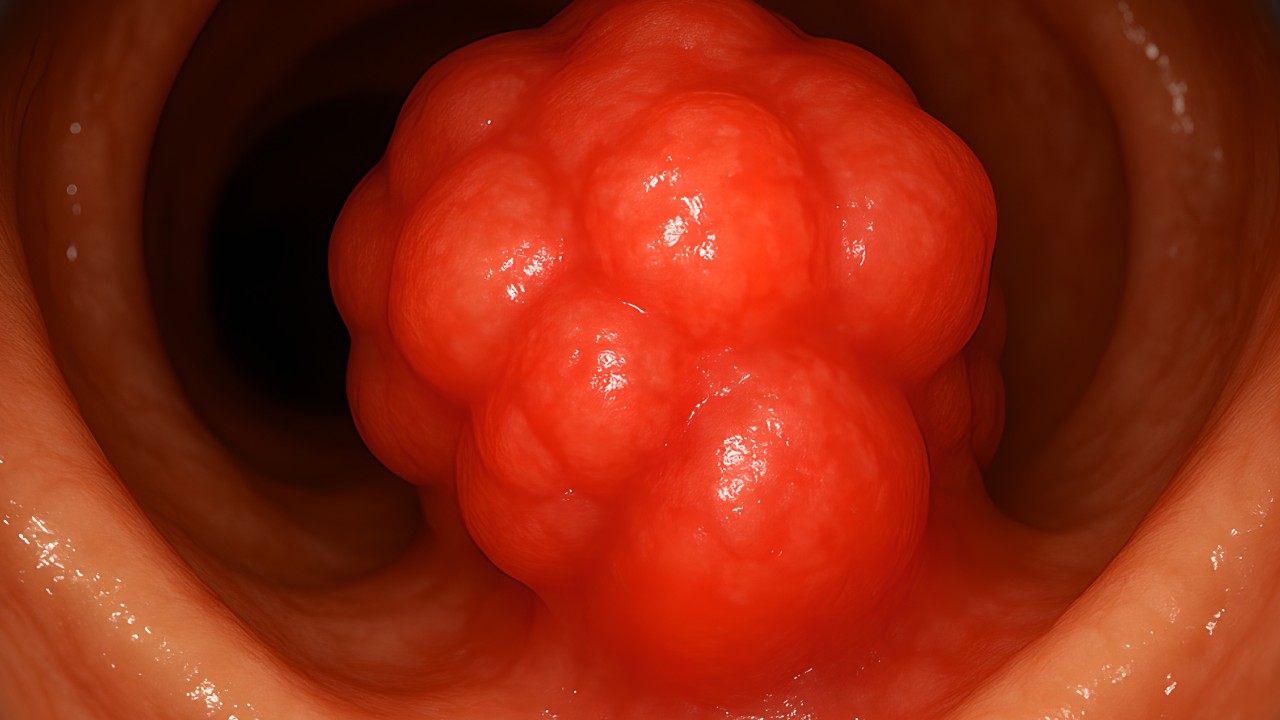
Colorectal cancers usually begin in cells on the inner wall of the colon or rectum that produce mucus and other fluids, forming abnormal growths called polyps. Most polyps are harmless; however, some may become malignant tumours that can cause cancer.

They often show no symptoms in the early stages until the cancer has advanced to a more severe stage, which will prove far more difficult for a patient’s full recovery.

Unlike other cancers, colorectal cancer has a far higher rate of full recovery if detected and treated early, with up to 90% of early-detection cases making a full recovery. This highlights the importance of colorectal cancer screening in Singapore to facilitate effective treatment.

Signs, Symptoms, and Risk Factors of Colorectal Cancer

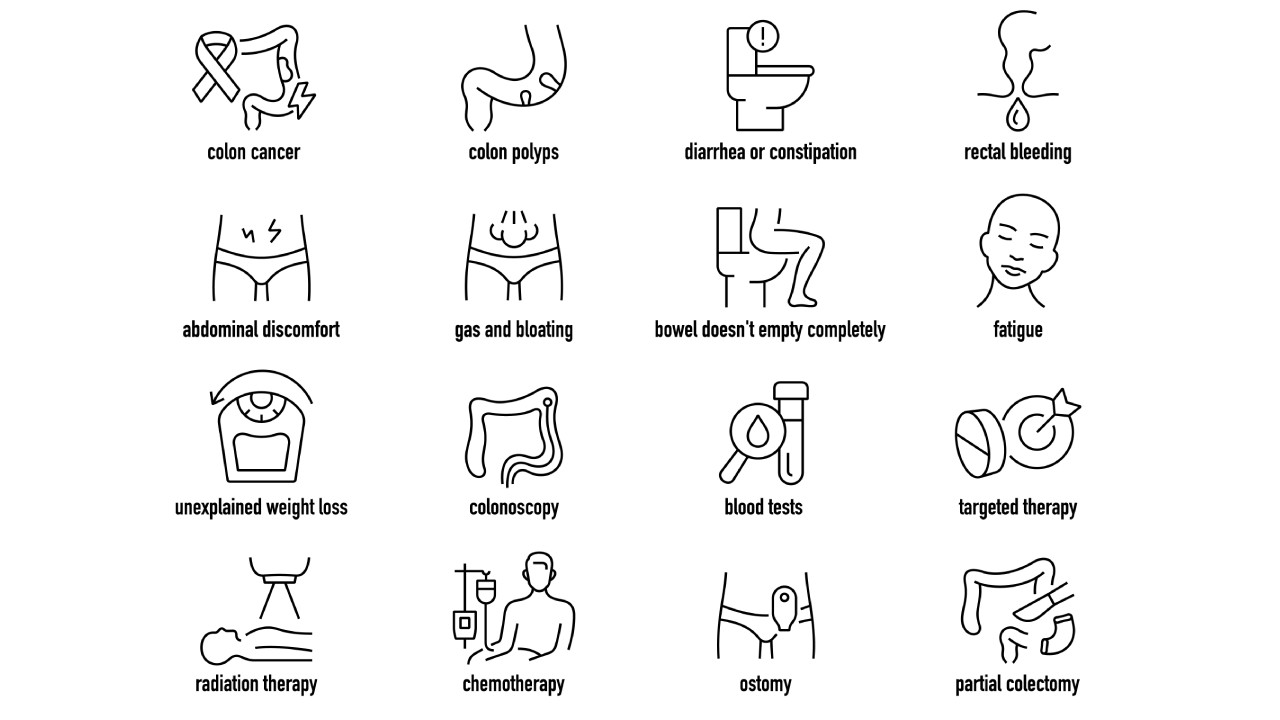
Early-stage colorectal cancer may not cause symptoms. You may only realise something is wrong when unusual symptoms appear, such as:

  • Blood in the stool or bleeding from the rectum
  • Changes in bowel habits, such as ongoing diarrhoea or constipation
  • Stool that appears narrower than usual
  • Unexplained weight loss
  • Persistent abdominal discomfort, such as cramps or bloating
  • Fatigue or weakness, which may occur if bleeding leads to anaemia

These symptoms can also be caused by other colorectal conditions, such as haemorrhoids or polyps.

Risk Factors for Colorectal Cancer

Some people may have a higher risk of developing colorectal cancer due to certain factors. These include:

  • Age 50 and above
  • A personal or family history of colorectal cancer or polyps
  • Inflammatory bowel disease, such as ulcerative colitis or Crohn’s disease
  • Diets high in processed or red meat
  • Smoking and regular alcohol consumption
  • Obesity or a sedentary lifestyle

Do any of these symptoms or risk factors apply to you? Start with a consultation and assessment.

Can Colorectal Cancer Be Prevented in Singapore?

Colorectal cancer can be prevented through regular colorectal cancer screening in Singapore. It is one of the most powerful weapons for preventing colorectal cancer.

Precancerous polyps can be present, often without symptoms, in the colon for years before invasive cancer develops. Colonoscopy can help find precancerous polyps so they can be removed before they turn into cancer.

Aside from this, you can also adjust your lifestyle by:

Eating a balanced diet with more fibre, fruits, and vegetables

Limiting processed and red meat intake

Staying physically active and maintaining a healthy weight

Avoiding smoking and
limiting alcohol

Colorectal Cancer Screening and Diagnosis in Singapore

Diagnosing colorectal cancer usually begins with an evaluation of your symptoms, medical history, and risk factors.

If there are concerns about possible abnormalities in the colon or rectum, we may recommend other colorectal cancer tests to confirm the diagnosis. These may include:

  • Colonoscopy: A thin, flexible camera is used to examine the lining of the colon and rectum and identify polyps, abnormal growths, or suspicious areas.
  • Biopsy: If an abnormal area is found during colonoscopy, a small tissue sample may be taken and examined under a microscope to check for cancer cells.
  • Imaging Scans: CT scans or MRI scans may be used to assess whether cancer has spread and to help determine the stage of the disease.
  • Blood Tests: Certain blood tests may help assess overall health or detect tumour markers that support diagnosis and treatment planning.

Diagnostic Testing vs Routine Colorectal Cancer Screening in Singapore

Some tests are performed to investigate symptoms, while others are routinely done.

Routine screening aims to detect early signs of colorectal cancer in people who feel well but fall within certain risk groups (listed above). We may recommend a Faecal Immunochemical Test (FIT), which checks for small amounts of blood that may not be visible to the naked eye and may have come from polyps or early colorectal cancers in the colon or rectum.

Diagnostic testing is carried out when you have symptoms requiring further evaluation. This is commonly a colonoscopy.

When Should You Get Tested for Colorectal Cancer?

Even without symptoms, we recommended you see a specialist if you:

Are 50 years older
or above

Colorectal Cancer

Have a family history of colorectal cancer or polyps

Change in Bowel Habits

Have a personal history of inflammatory bowel disease

Colorectal Screening

Have had previous polyps detected during a colonoscopy

Regular colorectal cancer screening in Singapore is an essential preventative measure and a critical component of colon cancer treatment in Singapore. They not only facilitate early detection but also help manage your overall health and reduce the potential burden of colorectal cancer.

If you are concerned about your digestive health, colonoscopy screening is a crucial step in early detection and prevention of serious conditions.

Colorectal Cancer Treatment Options in Singapore

In Singapore, treatment for colorectal cancer depends on several factors:

  • Where the tumour is located – colon or rectum
  • The cancer stage
  • Your overall health

Surgical Approaches

In Singapore, surgery is often the main treatment when colorectal cancer is detected at an early or localised stage. The goal is to remove the tumour and nearby lymph nodes while preserving normal bowel function where possible.

Colorectal Cancer

Endoscopic Polyp Removal

If cancer is found at a very early stage within a polyp, it may be removed during a colonoscopy. This approach is typically used when the abnormal growth has not spread beyond the inner lining of the colon or rectum. This approach may be used for very early colon or rectal cancers detected during screening.

Diverticular Disease

Colectomy (Colon Resection)

Part of the colon containing the tumour is surgically removed together with nearby lymph nodes. The remaining sections of the colon are then reconnected to restore bowel continuity. This is also a common treatment for colon cancer in Singapore.

Hemorrhoids (Piles)

Rectal Cancer Surgery

When cancer develops in the rectum, specialised procedures may be performed to remove the tumour while preserving bowel function where possible. The specific technique depends on how close the tumour is to the anus and how far it has spread.

Stoma Formation (Colostomy or Ileostomy)

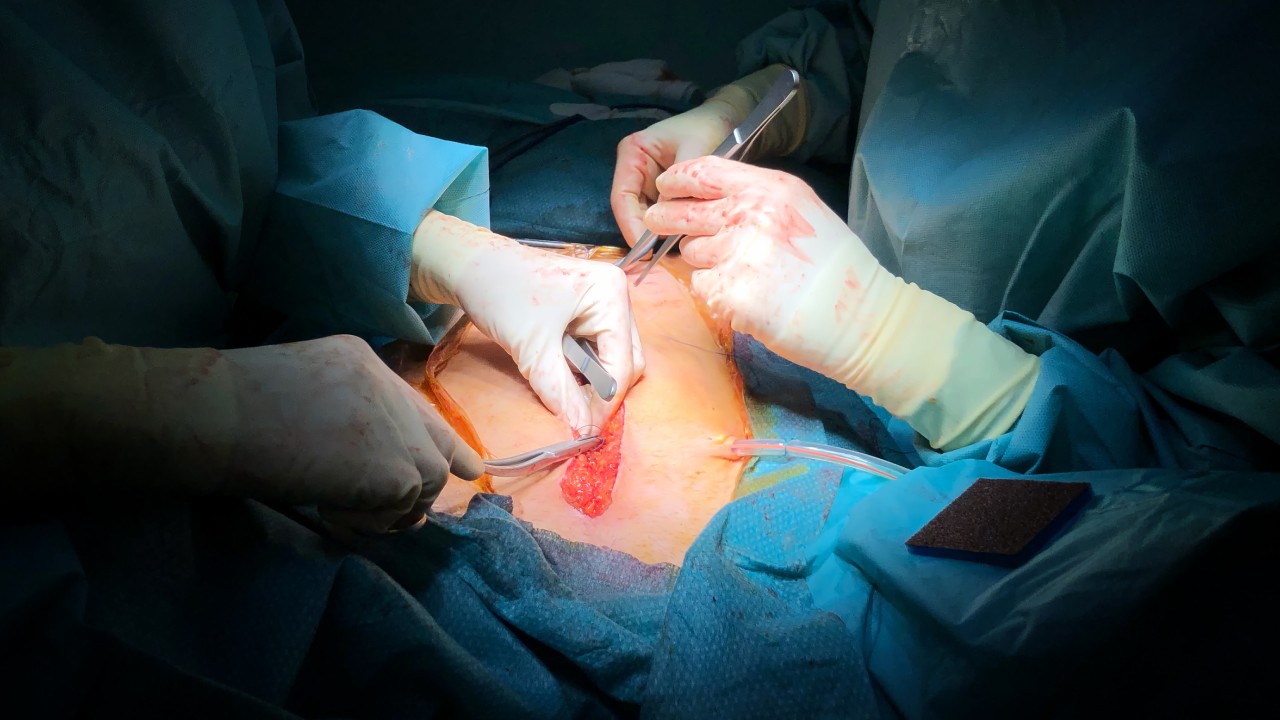
In some cases, a temporary or permanent opening may be created on the abdomen to divert stool. This allows the bowel to heal after surgery or may be required if reconnection of the bowel is not possible.

Non-Surgical Treatments

Non-surgical treatments may be used before surgery, after surgery, or when surgery is not appropriate. These therapies may help shrink tumours, reduce the risk of recurrence, or manage more advanced disease.

Chemotherapy

Anti-cancer drugs are used to destroy cancer cells or reduce the chance of the cancer returning after surgery. This may be used for both colon cancer and rectal cancer, depending on the stage of disease.

Radiotherapy

High-energy radiation is used to shrink or destroy cancer cells. It’s commonly used for colorectal cancer, often before surgery, but it is rarely used for colon cancer.

Targeted Therapy

Certain medications target specific molecules involved in cancer growth. These treatments may be considered for Stage 4 (metastatic) colorectal cancer.

Immunotherapy

Immunotherapy helps the immune system recognise and attack cancer cells. It may be considered in selected colorectal cancers with specific genetic characteristics, such as microsatellite instability (MSI-high) tumours. Because treatment approaches vary depending on the location and stage of the cancer, you’ll need to consult a colorectal specialist on which approach is right for you.

Colorectal Surgery Cost in Singapore

Because treatment plans are tailored to each patient, the final cost of colorectal surgery usually depends on several factors. These include:

  • Cancer Stage: Later-stage diseases may require additional treatments, adding to the cost.
  • Type of Procedure: Different surgical approaches, such as colon resection or rectal surgery, may involve different levels of complexity.
  • Hospital Stay: The length of hospitalisation and post-operative care may influence the overall cost.
  • Additional Tests or Treatments: Diagnostic tests, imaging scans, and follow-up care may also contribute to the total cost.

At your consultation with a colorectal specialist, you may also discuss insurance coverage, MediSave usage, and available payment options to better understand your total expenses.

What to Expect After Colorectal Cancer Treatment in Singapore

If surgery is part of your treatment, you may need some time for the body to heal. How long that takes typically depends on the type of procedure performed.

In the weeks following surgery, it’s common to experience:

  • More frequent bowel movements or looser stools
  • Abdominal discomfort or fatigue as the body heals
  • A gradual return to normal eating and daily activities

If a temporary stoma was created during surgery, your doctor will discuss how long it may be needed and whether reversal surgery may be possible later.

At Advanced Colorectal And General Surgery, we’ll schedule regular follow-up appointments to monitor your recovery and check for any signs of recurrence. This may involve physical examinations, blood tests, imaging scans, or periodic colonoscopy.

Our colorectal specialist will guide you through the recovery process and recommend a follow-up plan based on your individual condition and treatment history.

When to See a Specialist for Colorectal Cancer Screening in Singapore

If you have persistent bowel symptoms, fall within a higher-risk group, or have been advised to undergo screening, consult a colorectal specialist for an evaluation.
At Advanced Colorectal and General Surgery, we provide diagnostic testing and a range of treatment options for colorectal conditions.

Frequently Asked Questions (FAQs)

Colorectal cancer in Singapore commonly presents with symptoms such as persistent abdominal pain, changes in bowel habits (like diarrhoea or constipation), blood in the stool, and unexplained weight loss. It’s important to note that these symptoms are not exclusive to colorectal cancer and may be caused by other conditions. Early detection through regular screenings is crucial for effective management of colorectal cancer.

Colorectal cancer in Singapore is classified into four main stages. Stage I involves cancer limited to the inner layers of the colon or rectum. Stage II extends through the muscle layer but has not spread to lymph nodes. Stage III involves cancer spread to nearby lymph nodes but not to distant organs. Stage IV is the most advanced stage, where cancer has metastasized to distant organs like the liver or lungs. Early-stage detection greatly improves the chances of successful treatment. Learn how medical professionals determine the extent of colon cancer in our article on Colon Cancer Staging.

The duration of colorectal cancer treatment in Singapore varies depending on the stage of cancer and the treatment approach. Early-stage colorectal cancer may require surgery followed by a short recovery period, while advanced stages may involve several months of chemotherapy and radiation therapy. The treatment plan is tailored to the individual patient’s condition and response to therapy.

Yes, colorectal cancer can recur after treatment. Recurrence is more common in advanced stages of colorectal cancer. Regular follow-ups and monitoring are essential to detect any recurrence early. Patients who have undergone colorectal cancer treatment in Singapore should adhere to their doctor’s recommendations for ongoing surveillance and lifestyle changes to reduce the risk of recurrence.

Yes, you can obtain an estimate of the costs for colorectal surgery in Singapore before proceeding with the procedure. It is advisable to discuss the expected costs with your healthcare provider or the hospital’s billing department. They can provide a detailed breakdown of the surgery, hospital stay, and any additional expenses. Understanding the potential colorectal surgery costs in Singapore helps in planning and managing finances effectively. For accurate information regarding the cost of colonoscopy in Singapore, consult our comprehensive guide.

Patients in Singapore can manage the costs of colorectal surgery through various means. Health insurance plans often cover a significant portion of the expenses. Additionally, there are government subsidies and financial assistance programs available for eligible patients. Discussing the available options with your healthcare provider and financial counselor can help in effectively managing the cost of colorectal surgery in Singapore.

Tests for detecting colorectal cancer, such as colonoscopies and the Faecal Immunochemical Test (FIT), are highly reliable. Colonoscopies are considered the gold standard for colorectal cancer tests as they allow for direct visualisation and removal of polyps. The FIT is also effective in detecting hidden blood in the stool, which can be an early sign of colorectal cancer. Regular testing is crucial for early detection and successful treatment.

Yes, preparations are required for most colorectal cancer tests, particularly colonoscopies. Patients need to follow a clear liquid diet and take prescribed laxatives to cleanse the bowel before the test. For the Faecal Immunochemical Test (FIT), minimal preparation is needed, usually just a stool sample collection. Proper preparation ensures accurate results and a successful colorectal cancer test.

Colon cancer screening in Singapore can save lives by detecting cancer at an early, more treatable stage. Screening methods like colonoscopies can identify precancerous polyps and allow for their removal before they develop into cancer. Early detection through regular screening significantly increases the chances of successful treatment and reduces mortality rates associated with colon cancer.

After a colon cancer screening test in Singapore, follow-up care depends on the findings. If polyps are detected and removed, your doctor may recommend more frequent screenings to monitor for new growths. If no abnormalities are found, the next screening may be scheduled in 5 to 10 years, depending on your risk factors. Consistent follow-up is crucial for maintaining colon health and preventing cancer development.

Diet and nutrition play a significant role in managing colon cancer in Singapore. A balanced diet rich in fruits, vegetables, whole grains, and lean proteins supports overall health and aids in recovery during and after treatment. Avoiding red and processed meats, and limiting alcohol intake can also help reduce the risk of cancer recurrence. Nutritional support is an integral part of colon cancer treatment to maintain strength and improve outcomes.

Potential complications of colon cancer treatment in Singapore include side effects from surgery, chemotherapy, and radiation therapy. These may include infection, bowel obstruction, fatigue, and changes in bowel habits. Long-term complications can involve issues like lymphedema or secondary cancers. Managing these complications with the help of a healthcare team is essential for improving the quality of life and achieving the best possible outcomes from colon cancer treatment.

About Dr QM Leong

Colorectal & Hernia Surgeon in Singapore

Dr Leong is a general and colorectal surgeon in Singapore who graduated from the University of London in 2000. He obtained his membership to the Royal College of Surgeons of Edinburgh in 2003 and started working in Tan Tock Seng Hospital in 2003. He started his Advanced Specialist Training in 2005 and passed his fellowship exams in 2008. Dr Leong was awarded the prestigious MOH HMDP scholarship to train under Prof Kim Seon Hahn in Korea University for Laparoscopic and Robotic colorectal surgery in 2010.

Dr Leong is amongst a handful of hernia and colorectal surgeons in Singapore who practice Single Incision Laparoscopic surgery. This is a technical and complex procedure that is minimally invasive, speeds up recovery, and confers excellent cosmetic results. Dr Leong also routinely trains basic and advanced specialist trainees in laparoscopic surgery, and regularly proctors consultant surgeons in complex colorectal cases.

Beyond laparoscopic surgery, Dr Leong also performs a repertoire of minimally invasive General Surgery procedures. He is also an experienced endoscopist with more than 10000 procedures, performing diagnostic and therapeutic scopes for elective and emergency surgical conditions. He performs direct access colonoscopies and oesophago-gastro-duodenoscopy for patients and will strive to perform the procedures on the same day if possible for patients’ convenience.

Consult with a colorectal surgeon in Singapore for comprehensive care.

Insurance

Our surgery is on the panel of most of the major insurance companies and if you are covered by corporate insurance, you may be entitled to a cashless visit to our clinic.

Get In Touch

Corporate Insurance Partners

Alliance Healthcare

Personal Insurance Partners

Singlife with AVIVA
HSBC Life
NTUC Income
Raffles Health